


Case Study
Aster Bukom
Innovative AOGV design allows successful replacement of 3 valves on live system without shutdown at critical energy infrastructure Refinery in Singapore.
Challenges
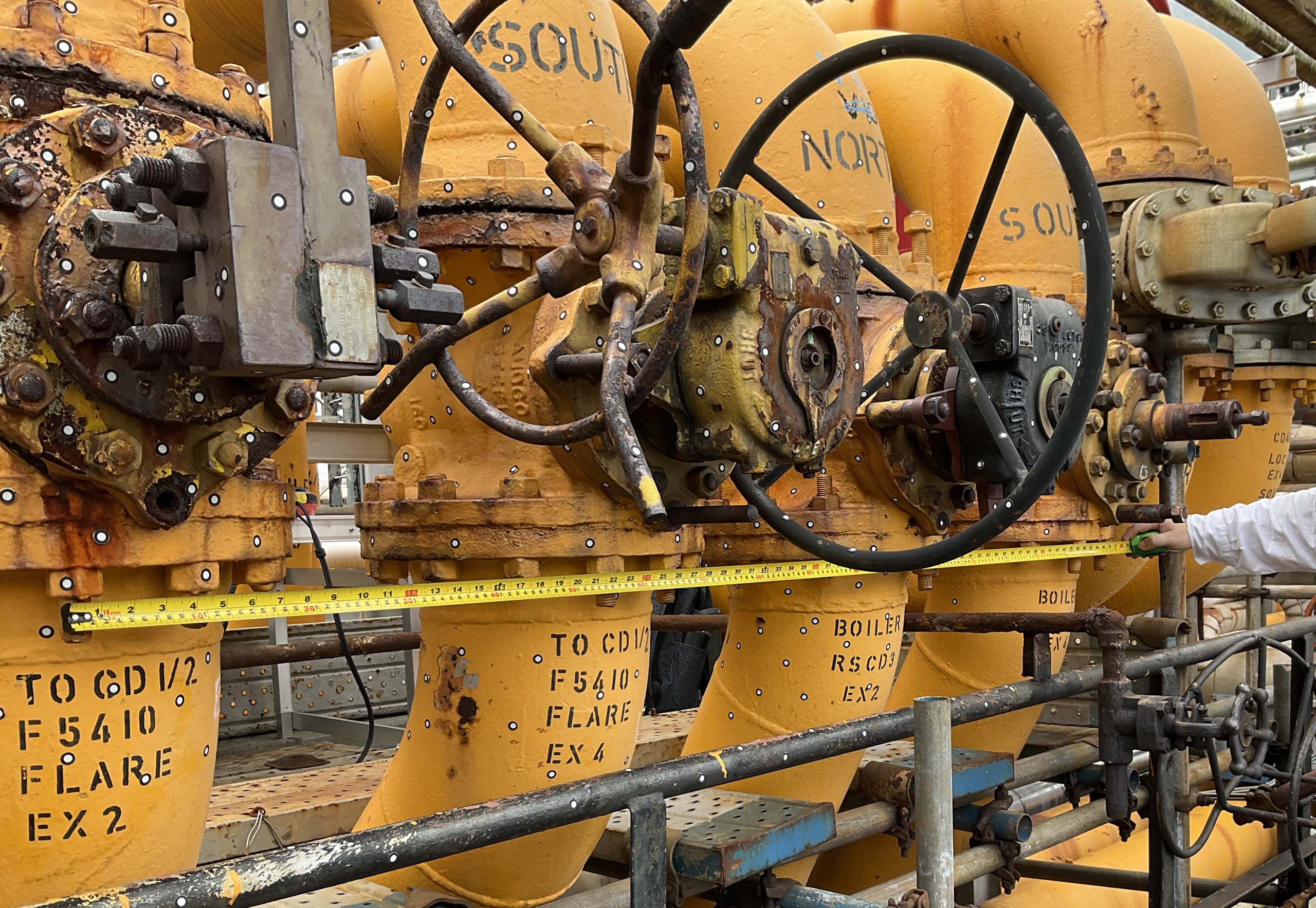
A Major provider of Integrated Energy Solutions needed to replace three inoperable valves at a refining and petrochemical facility in Singapore. Whilst traditional intervention solutions would require a facility shutdown the client was evaluating utilizing the Izomax AOGV as a viable alternative.
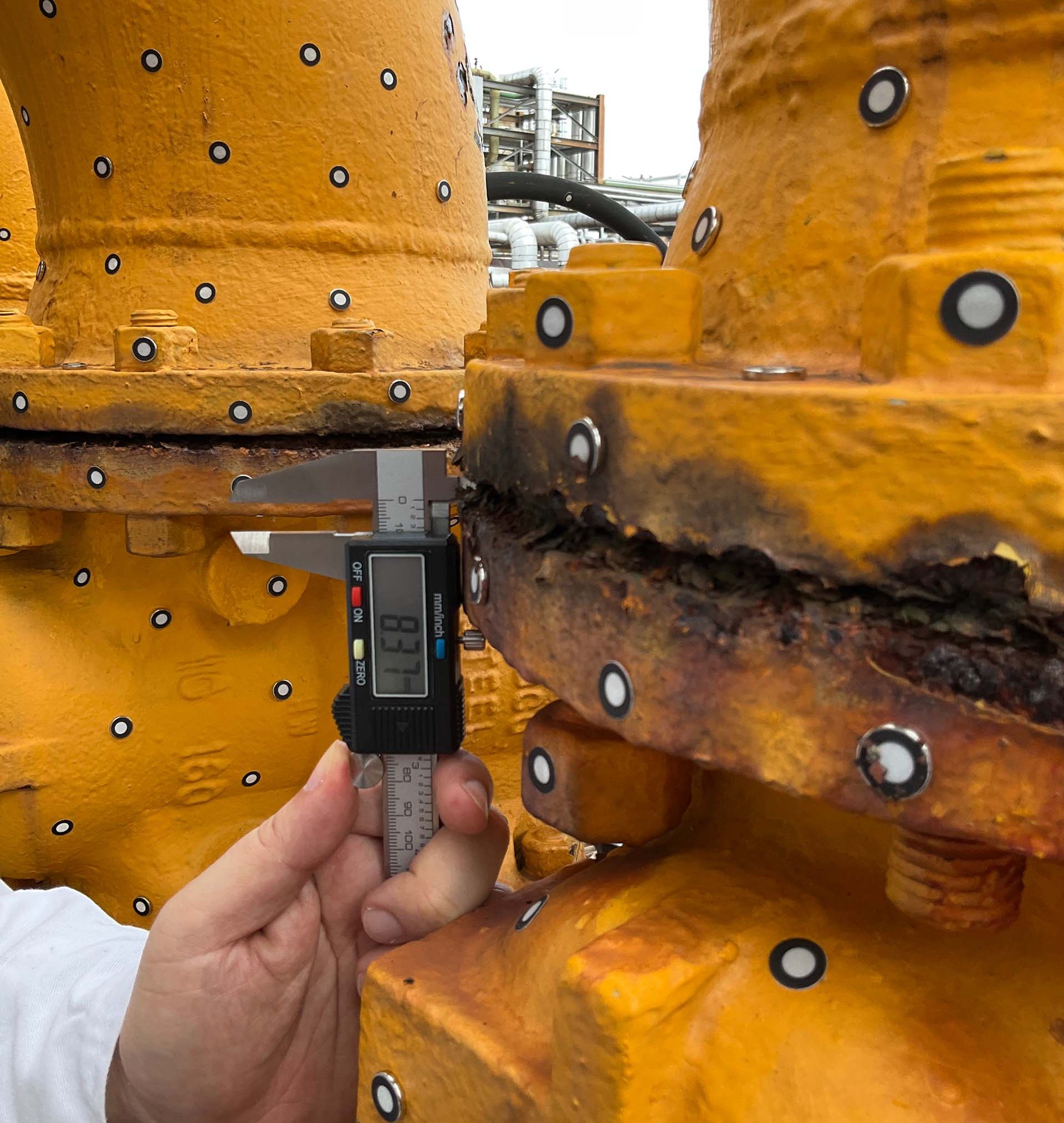
A technical review of the plant revealed a highly constrained piping arrangement with limited flexibility and no practical means of introducing temporary deflection without extensive modifications to the surrounding system.
With little room for the flange separation required with a standard AOGV to enable spade insertion and a positive isolation, Izomax began a feasibility study based on utilizing a modified butterfly valve AOGV which would allow removal of the old gaskets and the entire plug valve in an uninterrupted operation, whilst the system remained live.
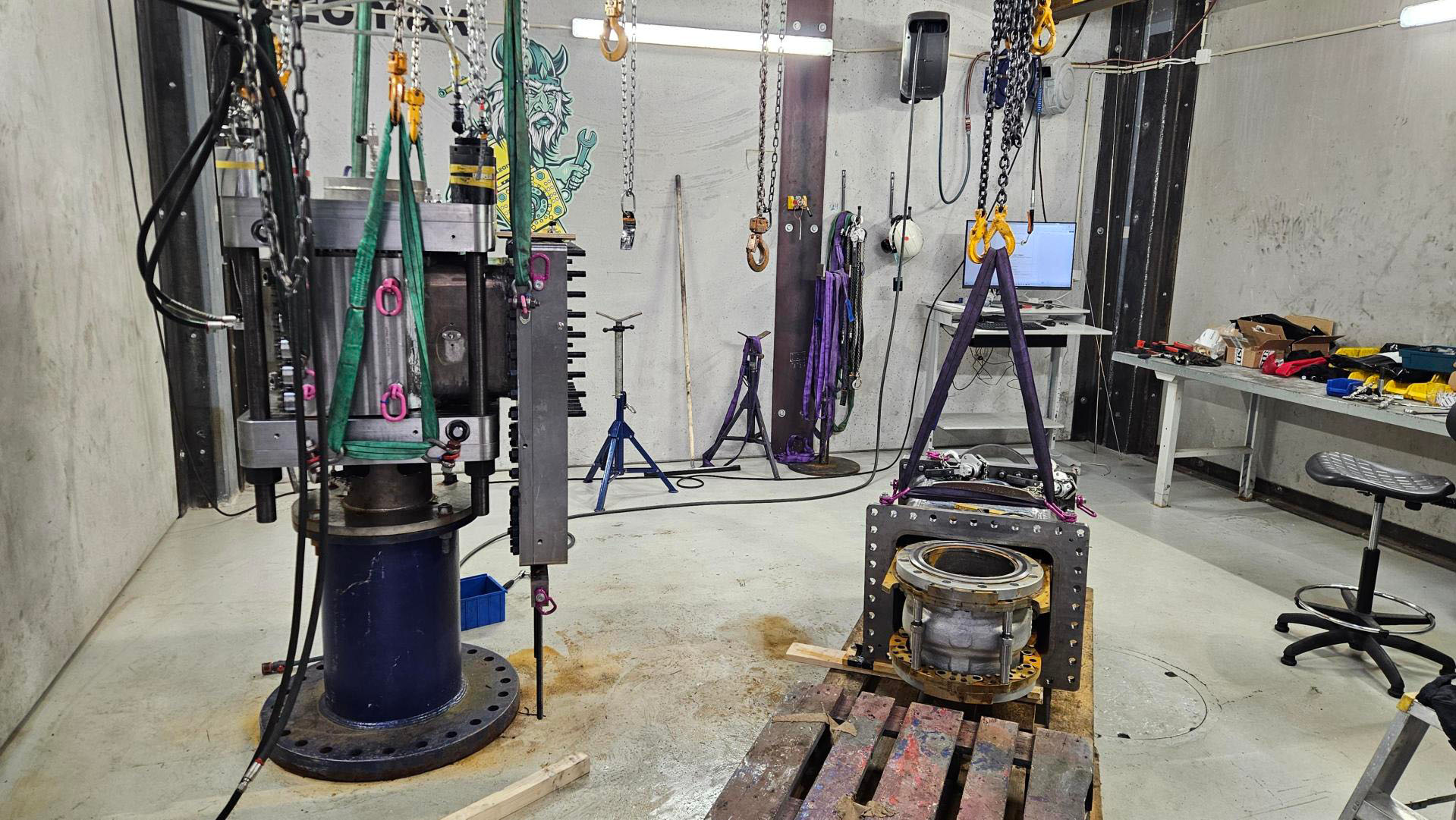
Design and testing was carried out over a 12 month period. A final, pre-mobilization FAT and mock test was performed to ensure flawless safe execution, with a live gas system at 4 bar and temperatures in the order of 65 – 70 degrees Centigrade.
Technical Snapshot
Izomax performed a site survey relatively early in the project to ensure accessibility and suitability of the AOGV, at which point it became clear that the rigid piping and support systems would not allow a standard AOGV to be used.
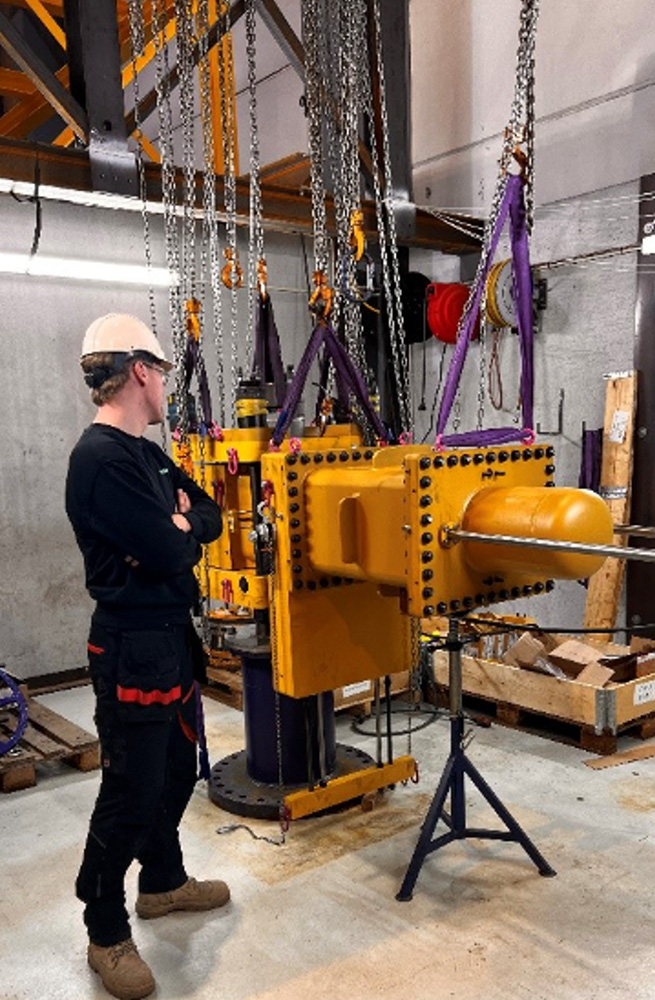
Izomax recommended modifying the AOGV Butterfly system for the 10” 150 class system. Retracting and installing Butterfly valves in live piping systems using the AOGV method is a tried and tested, robust alternative to traditional methods. The solution eliminates the need for a full process shutdown and significantly reduces operational disruption. The AOGV is installed over the wafer-type Butterfly valve, sealing on the pipe flanges as normal for this method. Modifications to the AOGV Butterfly system to allow use on the Plug-Valves included a new AOGV envelope (allowing dimensional fit as well as pressure and temperature integrity), a Trolley system for valve removal and insertion, a gasket tool for removing and scraping the old gasket as well as insertion of the new gasket, and ancillary tooling for operations.
It should be noted that the previous plant owner (a Super-Major) had successfully used Izomax on multiple projects and was integral to the technology selection and planning process prior to the new owner taking over plant.
With a limited time window for design, testing and mobilization, a strong project plan with clear roles and milestones was agreed between Izomax and the client.
A combined FAT and mock-up test was organized at Izomax facilities, allowing full testing of the new tool in addition to ensure flange separation restrictions could be overcome without exceeding pipe stress analytical recommendations.
In line with Izomax standard process for any AOGV isolation, detailed risk assessments were performed throughout the planning process. The client was unable to be on-site at Izomax’ facility prior to mobilization, hence carefully planned meetings were required to ensure full familiarity with the assembly and disassembly of the AOGV. Three dimensional models of the valves were printed to ensure site conditions were replicated. The client then dispatched one of the new valves to Izomax for mock testing – allowing informed and detailed discussions and preparation prior to job execution. Lifting, operational readiness and access constraints were reviewed and challenges safely mitigated.
The project was executed as per plan, allowing continuous operation while the inoperable valves were replaced, followed by a full pressure integrity and testing regime.